
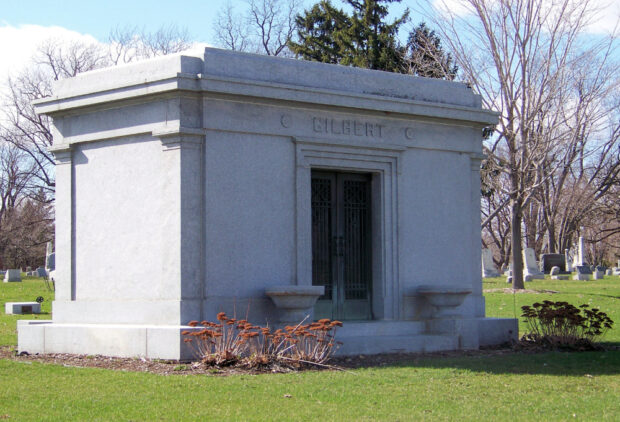
For affluent families across the Lowcountry, a private estate mausoleum is more than a burial structure. It is a permanent architectural legacy designed to endure for generations. Whether the property is located near Hilton Head Island, Savannah, Charleston, or the surrounding rural estates of Colleton County, the success of a mausoleum project depends on careful planning long before the first granite panel arrives on site.
Private family tombs involve unique logistical challenges, including site selection, permitting requirements, access for heavy equipment, and the precision installation of multi-ton granite components. Understanding these steps helps families and estate planners make informed decisions while avoiding costly complications.
Private estate memorials in the Lowcountry require careful coordination between property owners, estate planners, monument specialists, local authorities, and heavy-equipment operators. Because granite mausoleums are assembled from massive interlocking stone components, successful projects depend on proper siting, permitting, access planning, and precision installation. Local conditions such as soil characteristics, cemetery regulations, drainage concerns, and equipment access often determine how smoothly construction proceeds.
What Families Should Know Before Planning a Private Mausoleum
- Granite mausoleums require extensive site evaluation before construction begins.
- Access for cranes, transport vehicles, and lifting equipment often influences where a structure can be placed on an estate or cemetery property.
- Permitting requirements vary throughout the Lowcountry, including areas near Charleston, Savannah, and Walterboro.
- Multi person plots must be designed with long-term accessibility, structural integrity, and future family needs in mind.
- Experienced monument builders in the Carolinas coordinate closely with cemetery sextons, engineers, and equipment operators to ensure safe installation.
Why Mausoleum Logistics Matter in the Lowcountry
Private family mausoleums are becoming increasingly popular among estate owners seeking a lasting memorial that offers privacy, permanence, and architectural distinction. However, coastal and Lowcountry conditions create unique considerations.
Properties throughout Beaufort County, Colleton County, Jasper County, and the Charleston region often feature variable soil conditions, high water tables, mature tree canopies, and limited access roads. These factors directly affect foundation design and equipment mobilization.
For families considering granite mausoleums, logistical planning is just as important as selecting the architectural design itself.
At Steedley Monument Works, we have seen firsthand how proper planning helps prevent delays, protects surrounding landscapes, and ensures that each mausoleum installation proceeds safely and efficiently. As a fourth-generation monument company and proud member of the Monument Builders Association of North America, we understand the specialized coordination required for these legacy projects.
Private estate mausoleums in the Lowcountry require coordinated site preparation, permitting review, heavy-equipment access planning, and precision assembly of massive granite components. Proper execution protects both the structure and the surrounding property while ensuring long-term stability.
Site Selection for Granite Mausoleums
Granite mausoleum site selection begins with evaluating ground stability, drainage, accessibility, and long-term preservation conditions. The chosen location must support substantial structural loads while remaining accessible for construction and future visitation.
Families often prioritize scenic locations overlooking family estates, historic properties, gardens, or designated memorial grounds. While aesthetics are important, practical considerations frequently determine feasibility.
Key site evaluation factors include:
- Soil bearing capacity
- Drainage patterns
- Existing vegetation
- Utility locations
- Accessibility for cranes and transport trucks
- Future maintenance access
- Local zoning considerations
In areas throughout the Lowcountry, drainage and soil conditions frequently influence foundation design more than many property owners initially expect.
Regional Considerations for Estate Memorial Construction
Local conditions throughout the coastal Carolinas and southeastern Georgia can significantly affect mausoleum construction planning.
- High groundwater levels may require additional engineering considerations.
- Historic properties may have preservation requirements.
- Large live oak canopies can limit crane positioning.
- Narrow estate roads may restrict equipment access.
- Coastal weather patterns can affect scheduling and lifting operations.
According to local planning and permitting authorities throughout the region, site access and drainage management are often among the earliest factors evaluated during large memorial construction projects.
Learning More About Your Options
Families considering private estate memorials in the Lowcountry often benefit from consulting experienced monument professionals early in the planning process. Understanding site requirements before finalizing a design can help avoid revisions later in the project.
Local Data and Construction Realities
Private mausoleum projects often involve components weighing several tons each. Large granite wall panels, roof systems, and foundation elements must be transported and assembled using specialized lifting equipment.
Field experience throughout Walterboro, Charleston County, Beaufort County, and surrounding areas consistently shows that access planning is one of the most critical project phases. Even a beautifully designed site may require modification if crane reach distances or equipment clearances become problematic.
This is especially true for estate properties featuring mature landscaping, gated entrances, or long private driveways.
How Logistics Affect Long-Term Performance
Mausoleum logistics directly affect structural performance, longevity, and future maintenance accessibility. A properly sited and installed structure can provide generations of service with minimal intervention.
Conversely, poor drainage, inadequate foundations, or difficult access conditions can create challenges over time. Estate planners and families often focus on appearance, but underlying site preparation frequently determines long-term success.
Throughout the Lowcountry, proper elevation and drainage management are especially important due to seasonal rainfall patterns and localized flooding concerns.
Professional Insight from the Field
Granite mausoleum construction combines architectural precision with heavy industrial lifting practices. Every component must fit precisely as designed because many granite systems utilize interlocking construction methods.
Our experience with custom burial monuments in Walterboro SC and throughout the region has shown that successful projects depend on collaboration between designers, engineers, equipment operators, and site managers. Small logistical details addressed early often prevent major complications later.
Warning Signs a Site May Need Additional Planning
Potential site challenges often become apparent during the early planning stages. Identifying them early helps avoid delays.
Common warning signs include:
- Limited truck access
- Soft or poorly drained soils
- Steep grades
- Dense tree coverage
- Restricted crane positioning areas
- Underground utility conflicts
- Historic property restrictions
- Seasonal flooding concerns
Ignoring these issues can increase project complexity and potentially require costly redesigns.
When Professional Monument Planning Is Essential
Professional planning becomes essential whenever a mausoleum project involves heavy granite components, engineered foundations, or specialized lifting operations. Most private estate memorials fall into this category.
While families can participate in design decisions, technical aspects such as foundation engineering, equipment logistics, permitting coordination, and installation sequencing should be managed by experienced professionals. Regional conditions often add variables that are not immediately obvious during initial planning.
Common Causes of Installation Challenges
Installation challenges usually result from access limitations, site conditions, permitting delays, or inadequate pre-construction planning. These issues are especially common on large estate properties.
The most frequent causes include:
- Limited heavy-equipment access
- Insufficient site preparation
- Drainage concerns
- Utility conflicts
- Permit approval delays
- Last-minute design modifications
- Adverse weather conditions
Experienced monument builders in the Carolinas address these factors during the planning phase rather than after construction begins.
Preventing Delays and Complications
Preventing complications starts with thorough site assessment and early coordination among all stakeholders. Most challenges can be addressed before construction begins.
Recommended steps include:
- Conducting site surveys
- Confirming permitting requirements
- Evaluating equipment access routes
- Reviewing drainage conditions
- Establishing crane staging locations
- Coordinating with cemetery sextons when applicable
- Finalizing designs before fabrication begins
Early planning typically results in smoother installations and more predictable project timelines.
Expected Results from Proper Planning
Proper mausoleum planning results in safer construction, more efficient installation, and improved long-term performance. Families can expect a smoother project experience when logistics are addressed early.
Well-executed granite mausoleums provide:
- Structural stability
- Long-term durability
- Architectural precision
- Easier maintenance access
- Reduced construction risk
- Enhanced estate aesthetics
These benefits contribute to the enduring value of a permanent family memorial.
Expert Insight: The most successful mausoleum projects are often the ones where site logistics receive as much attention as architectural design. Access planning, foundation preparation, and crane coordination frequently determine how efficiently construction proceeds.
Common Mistakes Families Make
One common mistake is selecting a mausoleum location based solely on appearance without considering construction access. This can complicate installation and increase costs.
Other frequent mistakes include:
- Delaying permit research
- Underestimating equipment requirements
- Ignoring drainage concerns
- Making late design changes
- Failing to coordinate with cemetery administrators
A proactive planning approach helps avoid these issues.
A Common Lowcountry Scenario
A common local scenario involves a family selecting a beautiful estate location beneath mature live oaks overlooking a private memorial garden. While visually ideal, the site may initially appear inaccessible for crane operations.
After evaluating access routes, staging areas, and lifting requirements, monument specialists can often develop a solution that preserves the desired location while accommodating safe installation procedures. This type of logistical problem-solving is common throughout the region.
Services That Support Private Mausoleum Construction
Granite mausoleum projects typically require a combination of design, fabrication, foundation planning, transportation coordination, and precision installation services.
We help families navigate:
- Granite mausoleum design
- Private estate memorial planning
- Multi person plots
- Foundation coordination
- Equipment logistics
- Crane-set installation
- Long-term memorial planning
These services work together to create lasting family monuments that reflect both legacy and craftsmanship.
Comparing Available Memorial Options
Private estate mausoleums offer greater privacy and permanence than many traditional burial arrangements, but they also require more extensive planning.
Families evaluating options may compare:
- Walk-in mausoleums versus vestibule mausoleums
- Estate memorials versus traditional cemetery placements
- Single-family versus multi-family configurations
- Above-ground entombment versus conventional burial arrangements
Each option involves different logistical and design considerations.
Areas We Serve
We work with families throughout Walterboro, Charleston, Hilton Head Island, Savannah, Beaufort County, Colleton County, Jasper County, and surrounding Lowcountry communities.
Our familiarity with local site conditions, permitting environments, and installation requirements allows us to plan projects efficiently while accommodating the unique characteristics of each property.
The Cost of Delaying Proper Planning
Delaying site evaluation and logistical planning can lead to redesign expenses, permitting delays, equipment scheduling conflicts, and construction complications.
For large granite mausoleums, early planning is often the most cost-effective approach. Addressing challenges before fabrication begins helps protect both project timelines and long-term performance.
FAQ
How long does a private mausoleum project typically take?
Private mausoleum projects often take several months from initial planning through final installation. Design complexity, permitting requirements, fabrication schedules, and site conditions all influence timelines.
Why is heavy-equipment access so important?
Heavy-equipment access is critical because granite mausoleums consist of large stone components that require cranes and specialized lifting equipment. Limited access can affect site selection and installation methods.
Are permits required for private estate memorials in the Lowcountry?
Permit requirements vary depending on property location, zoning regulations, and project scope. Early review with local authorities is recommended before construction begins.
What are multi person plots?
Multi person plots are burial arrangements designed to accommodate multiple family members within a single memorial space. They are often incorporated into private family mausoleum designs.
Can mausoleums be installed on private property?
In some situations, private property installations may be possible, subject to local regulations, zoning requirements, and applicable approvals. Site-specific evaluation is essential.
Why are granite mausoleums commonly used?
Granite mausoleums are valued for durability, weather resistance, structural strength, and long-term appearance. Properly installed granite structures can remain intact for generations.
What role does a cemetery sexton play?
A cemetery sexton often helps coordinate site logistics, access requirements, scheduling, and compliance with cemetery regulations during memorial construction projects.
How do coastal conditions affect mausoleum planning?
Coastal environments can influence drainage, soil conditions, weather exposure, and construction scheduling. These factors are typically addressed during site evaluation and engineering review.
Families investing in a permanent legacy structure deserve thoughtful planning, experienced craftsmanship, and careful attention to every logistical detail. From site evaluation through final installation, understanding the construction process helps ensure a successful project that serves generations to come.
Build a Lasting Family Legacy
When planning granite mausoleums, custom burial monuments in Walterboro SC, or private estate memorials throughout the Lowcountry, experienced guidance can make the process significantly smoother. We are committed to helping families understand their options, navigate logistics, and create enduring memorials with confidence.