
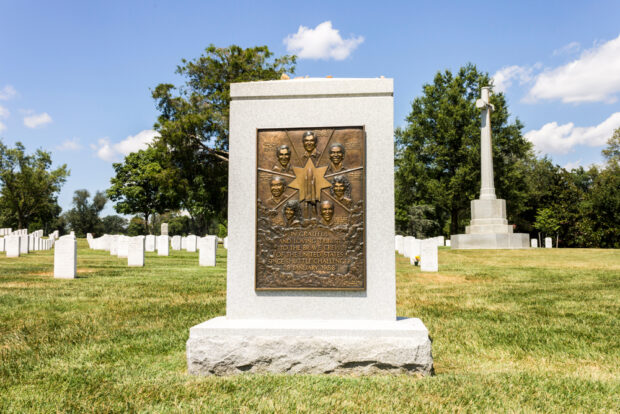
Few things are more disheartening than visiting a cemetery after a flood and finding headstones coated in mud, bronze plaques dulled by silt, and granite surfaces stained by standing water. Across coastal communities in North Florida and inland towns like Walterboro, SC, monument company owners and cemetery managers know this scene all too well. Seasonal storms, rising water tables, and flash flooding can leave memorial grounds looking neglected and worn, even when families have invested deeply in honoring their loved ones.
The good news is that most flood-damaged memorials can be restored with the right approach. Whether you are dealing with a single granite headstone or an entire row of bronze plaques, understanding safe cleaning practices is the first step toward bringing these tributes back to a dignified condition. Acting too quickly with the wrong products, however, can cause more harm than the flood itself. Patience, proper materials, and a respect for the stone and metal involved will guide the entire process.
What Flood Damage Actually Does to Granite
Granite is one of the most durable materials used in memorial construction, and it has been trusted by every skilled monument company for generations. But durability does not mean invulnerability. When floodwaters wash over granite monuments, they deposit layers of organic material, sediment, algae spores, and sometimes chemical contaminants from the surrounding soil. As the water dries, these deposits bond to the surface and, if left untreated, begin to break down the polish and create long-term staining.
Cleaning granite monuments starts with a thorough rinse using clean water. A garden hose with moderate pressure is usually sufficient for the initial rinse. Avoid pressure washers on older or more ornately carved pieces, as high-pressure streams can erode fine lettering and decorative edges. Once the loose debris is cleared, a solution of non-ionic soap and water applied with a soft natural-bristle brush will handle most surface staining. Work in sections from the top of the monument downward, and rinse thoroughly as you go.
For more stubborn biological growth, such as algae or lichen that thrives in the moisture left behind by flooding, a diluted solution of a biological cleaner like D/2 Biological Solution is widely recommended by cemetery restoration professionals. It is gentle enough to protect the stone while being effective against the organisms that cause long-term discoloration. Avoid household bleach, ammonia-based cleaners, and any acidic products. These substances damage the crystalline structure of granite and strip away the polish that gives a memorial its lasting visual quality.
Safe Restoration Practices for Bronze Plaques
Bronze plaques present their own set of challenges after flooding. Bronze is an alloy that develops a natural patina over time, and that patina actually serves as a protective layer. Flooding can disturb this patina unevenly, leaving streaks, water spots, and patches of active corrosion that stand out against the rest of the plaque’s surface.
The first step in caring for bronze plaques after a flood is a gentle rinse to remove mud and debris. Use clean water and a soft cloth or sponge rather than any abrasive scrubbing pad that might scratch the surface. Once clean, inspect the plaque carefully for any areas where the bronze has turned a powdery light green. This is called bronze disease, and it is caused by chloride compounds reacting with the metal in the presence of moisture. If left untreated, bronze disease will eat through the surface and permanently damage the detail of the plaque.
Mild cases of bronze disease can be addressed with a solution of a bronze-specific cleaner and careful scrubbing with a soft brass brush. For more advanced cases, a cemetery restoration specialist should be consulted, particularly for large or historically significant pieces. After cleaning, applying a paste wax formulated for bronze will help seal the surface and slow the return of oxidation. Many monument companies and suppliers of custom cremation products recommend reapplying wax once or twice a year to keep bronze plaques looking their best between cleanings.
Cemetery Restoration in Flood-Prone Regions
Communities in North Florida and the South Carolina Lowcountry face a recurring cycle of storm damage and recovery. In areas near Walterboro, SC, monument company representatives often work alongside cemetery boards and families to assess damage after major weather events. The work is part technical restoration and part community service, because memorials carry an emotional weight that goes far beyond their physical materials.
Cemetery restoration in these regions often requires more than just cleaning individual markers. Flooding can shift monument bases, knock over smaller stones, and damage the infrastructure of the cemetery itself, including drainage systems, pathways, and the ground anchors that hold larger monuments in place. Any restoration effort should begin with a structural assessment before cosmetic cleaning begins. A monument that has shifted even slightly may be at risk of toppling, creating a safety hazard for visitors and potentially causing damage to neighboring markers.
Once structural stability is confirmed, the cleaning process can proceed systematically. Starting with the monuments most visible to visiting families is often the practical choice, as it signals that the work is underway and shows respect for the grief of those who may be visiting soon after a storm. Document the condition of each marker with photographs before cleaning begins. This record serves as a reference for future restoration and can support insurance or grant applications when damage is widespread.
Protecting Custom Cremation Products and Memorial Accessories
In recent decades, memorial options have expanded well beyond traditional headstones. Custom cremation products, including bronze memorial benches, inground granite markers, cremation niches, and combination granite and bronze pieces, are now common in cemeteries of all sizes. These products often combine multiple materials and require a layered approach to post-flood care.
Granite components should be cleaned using the methods outlined above, while bronze elements on the same piece require their own careful handling. Avoid letting cleaning solutions for one material run onto the other without rinsing first, as cross-contamination can cause unexpected chemical reactions and staining. When working on combination pieces, always clean the granite first, rinse completely, and then address the bronze separately.
For cremation benches and flat granite memorial markers, pay close attention to the joints and seams where water tends to pool and organic material accumulates. A soft bottle brush or cotton swabs can help clean these tight areas without risking damage to surrounding surfaces. After cleaning, inspect the sealant around any embedded bronze inserts or lettering. Flood conditions can loosen adhesives and sealants, and resealing these areas promptly will prevent moisture from getting beneath the surface and causing further damage over the following seasons.
Families who have invested in personalized custom cremation products deserve to see those memorials maintained with the same care and craftsmanship that went into creating them. Taking the extra time during restoration to address every detail reflects the values that motivate the work in the first place.
Honoring the Work That Holds Memory in Place
Flood recovery at a cemetery is slow, sometimes emotional, and always significant. Whether you are a groundskeeper in North Florida, a family volunteer in Walterboro, SC, a monument company professional, or someone simply trying to clean your own family’s marker after a hard storm season, the effort is a form of honoring the people memorialized there.
Caring for granite monuments, bronze plaques, and custom cremation products after flooding is not just maintenance. It is a continuation of the respect that motivated the installation of those memorials in the first place. With proper techniques, appropriate materials, and a steady hand, most flood-damaged memorials can be restored to a condition that reflects the dignity every life deserves to have remembered.