
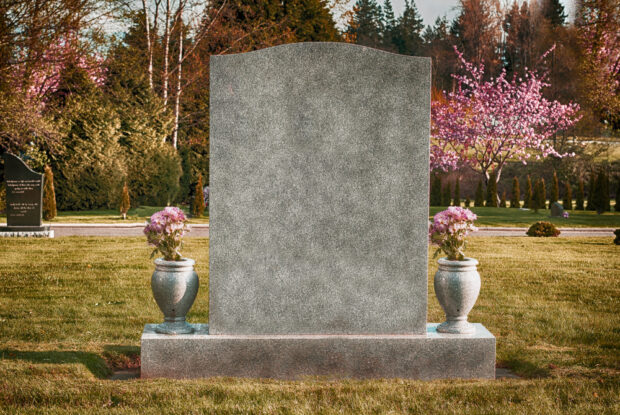
When families in coastal communities choose a memorial for their loved ones, they face a challenge that inland buyers rarely consider. The salt-laden air rolling off the Atlantic, the persistent humidity clinging to stone surfaces, and the relentless cycles of moisture and heat all conspire to degrade monument materials far faster than in drier climates. From the marshlands of Coastal Georgia to the windswept cemeteries of the Carolinas, monument makers and families alike must think carefully about which granite grades will hold their dignity for generations.
Choosing the best granite for coastal cemeteries is not simply a matter of aesthetics; it is a long-term investment in remembrance.
Understanding Why Coastal Environments Attack Stone
Salt spray is one of the most underappreciated forces of weathering in monument care. When ocean air carries microscopic salt particles onto stone surfaces, those particles settle into the microscopic pores of the granite. Over time, as moisture evaporates and temperatures fluctuate, salt crystals expand and contract inside those pores. This process, known as salt crystallization or haloclasty, exerts pressure on the internal structure of the stone, gradually loosening its surface and creating a crumbling, pitted appearance.
Humidity compounds the problem significantly. In low-lying coastal areas like the Sea Islands of Georgia or the Grand Strand region of South Carolina, relative humidity regularly exceeds eighty percent for months at a time. That sustained moisture prevents stone surfaces from fully drying, which encourages biological growth including lichen, algae, and mold. These organisms produce organic acids that etch polished surfaces and accelerate discoloration. For families focused on maintaining gravestone polish in humidity-prone regions, this biological dimension is just as important as the mineral composition of the stone itself.
Understanding these forces helps explain why not all granites are created equal when it comes to coastal cemeteries. The answer lies largely in density, crystal structure, and the mineral content of the stone.
What Makes a Granite Salt-Resistant
The term “salt-resistant monument materials” points to a specific set of physical properties that distinguish high-performing granites from lesser-quality options. The most critical factor is porosity. Granite is generally a low-porosity stone compared to marble or limestone, but significant variation exists between different quarry sources and grades. A granite with a water absorption rate below 0.1 percent is considered ideal for coastal applications. When water cannot easily enter the stone, salt has far fewer pathways to penetrate and cause internal damage.
Crystal grain size also matters. Fine-grained granites tend to have a more tightly interlocked mineral structure, leaving less space between crystals for water and salt to exploit. Coarser granites, while visually striking, can harbor more intercrystalline voids that invite moisture infiltration over time.
Mineralogy plays a role as well. Granites with high quartz content are generally more chemically inert and resist acid weathering better than those with higher feldspar concentrations. Feldspar, while common in most granites, is more susceptible to hydrolysis and can eventually contribute to surface dulling in persistently wet environments. Monument makers along the Georgia and South Carolina coasts who specialize in long-lasting installations tend to favor specific quarry sources that balance aesthetic appeal with proven mineralogical stability.
The Best Granite Varieties for Coastal Cemeteries
When discussing the best granite for coastal cemeteries, a few specific types consistently rise to the top. Black granites, particularly those quarried in South Africa, India, and Sweden, are among the most recommended by monument professionals working in coastal regions. These stones, technically classified as gabbros or diabases in geological terms, are exceptionally dense, have nearly negligible porosity, and take a mirror polish that holds up remarkably well against humidity and salt exposure. Their deep black color also tends to hide minor surface accumulation between cleanings.
For families who prefer lighter tones, gray granites from certain quarries in Quebec, Finland, and the American Southeast offer excellent density characteristics. Elberton granite from Georgia, long considered the headstone capital of the United States, offers several grades suited to coastal conditions. High-density granite headstones in SC (South Carolina) contexts often draw from this same Elberton supply chain, given its proximity and the quality consistency that region delivers.
Balmoral Red and similar coarse-grained red granites from Scandinavia, while visually popular, require more careful evaluation before use in high-salinity environments. Their larger crystal structure can leave them somewhat more vulnerable to haloclastic weathering unless they have been sourced from a quarry known for its particularly tight grain formation. A reputable monument maker will be able to provide specific absorption data for any granite they recommend.
Blue Pearl granite from Norway deserves mention as well. Its iridescent surface captures light beautifully, and its density profile makes it a reasonable choice for coastal applications when sealed properly. The key distinction is working with monument makers who understand that the grade of polish and the finishing process are just as important as the raw stone selection.
How Monument Makers in Coastal Georgia Approach These Challenges
Coastal Georgia monument makers have developed decades of practical knowledge about which materials survive and which ones fail prematurely in their climate. The combination of subtropical heat, high humidity, salt air from the Atlantic and its estuaries, and the region’s sandy, sometimes acidic soil creates a particularly demanding environment for cemetery monuments.
Experienced fabricators in this region typically advise customers to prioritize polished finishes over honed or rock-pitched surfaces for coastal installations. A high-gloss polish creates a smoother, denser surface barrier that resists salt penetration more effectively than a textured or matte finish. While honed finishes have aesthetic appeal, they expose more surface area to environmental attack. The polish itself acts as a first line of defense, which is why maintaining gravestone polish in humidity is such a practical priority for families in these areas.
Many coastal Georgia monument makers also recommend periodic professional cleaning and resealing every five to seven years, depending on the stone’s proximity to the water. A penetrating impregnator sealant, applied correctly, fills the outermost pores of the granite and repels both water and salt ions without altering the stone’s appearance. This kind of preventive maintenance dramatically extends the life of the memorial and preserves legibility of inscriptions for a much longer period.
Some fabricators also offer sandblasting resistance coatings during the fabrication process, adding an extra layer of protection before the monument ever leaves the workshop. For families investing in a high-quality memorial near the coast, asking about these protective treatments upfront is a worthwhile conversation to have.
Practical Maintenance Tips for Coastal Cemetery Monuments
Families who already have granite monuments in coastal cemeteries can take meaningful steps to slow deterioration. Regular gentle cleaning with a pH-neutral stone cleaner and a soft brush removes biological growth before it can establish deep root systems in the stone surface. Avoid bleach-based products, as chlorine can react with certain mineral compounds in granite and contribute to surface staining over time.
Rinsing the monument with fresh water after storms, particularly after hurricanes or nor’easters that deposit heavy salt loads, can significantly reduce the rate of haloclastic damage. This simple step flushes salt crystals from the surface before they have time to migrate into the stone’s interior.
For older monuments showing signs of spalling or surface pitting, consulting with coastal Georgia monument makers or monument conservators is worthwhile before attempting DIY repairs. Improper patching compounds can trap moisture and accelerate the damage they are intended to correct.
Conclusion
Selecting the right granite for a coastal cemetery monument requires understanding both the geology of the stone and the specific environmental pressures of the region. Whether working with monument makers in Coastal Georgia, sourcing high-density granite headstones in SC, or simply trying to preserve a family plot near the water, the principles remain consistent. Dense, fine-grained, low-porosity granites with high quartz content and a quality polished finish offer the best long-term resistance to salt spray discoloration and humidity-related degradation. Paired with periodic professional maintenance, the right granite choice ensures that a memorial serves its purpose with dignity for generations to come.