
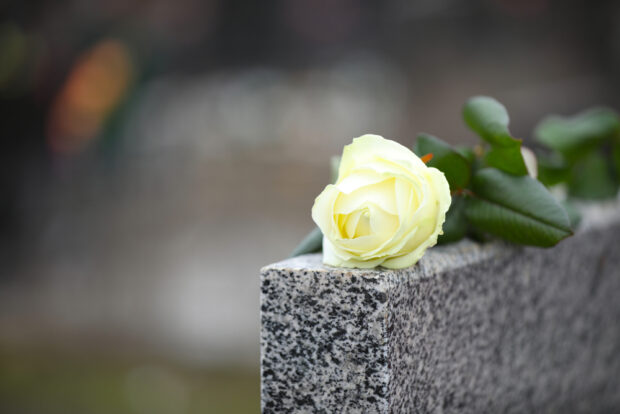
In cemeteries across the Southern United States, families expect memorials to stand as lasting tributes to their loved ones. Granite headstones are chosen for their strength, beauty, and permanence. Yet in recent years, many families have discovered that not all granite performs the same, especially in hot and humid climates. The rise of inexpensive imported stone has introduced serious concerns about durability, appearance, and long term value.
When comparing domestic vs imported granite headstones, the differences become especially clear in Southern states such as Texas, Florida, Georgia, Alabama, Mississippi, and Louisiana. The intense heat, sudden temperature swings, high humidity, and frequent storms place unique stress on stone. Memorials that appear identical at installation can age very differently over time. What initially seems like a bargain can become a costly disappointment.
Understanding why this happens begins with recognizing how granite is formed, processed, and selected. It also requires a closer look at how climate interacts with stone density, mineral structure, and finishing techniques. In the Southern climate, the choice between domestic granite and cheaper imports is not just about price. It is about performance, longevity, and respect for the memory being honored.
How Southern Heat and Humidity Affect Granite
The Southern climate is unforgiving. Summer temperatures regularly exceed 90 degrees Fahrenheit, and in many regions they remain high for extended periods. Stone surfaces can become significantly hotter than the surrounding air. Add in humidity levels that frequently hover above 70 percent, along with heavy rainfall and sudden cold snaps during winter months, and you have a challenging environment for any exterior material.
One of the most common questions families ask is Why headstones crack in heat. Granite itself is generally heat resistant, but not all granite is created equal. Lower quality stone can contain micro fractures, inconsistent mineral distribution, or higher porosity. When exposed to repeated heating and cooling cycles, these weaknesses can expand. Moisture can seep into tiny fissures, then expand during temperature changes, leading to visible cracks over time.
Imported granite, particularly from some overseas quarries, may be processed more quickly to meet high demand and low price points. Rapid cutting and polishing can introduce stress into the stone. In addition, certain imported varieties may not undergo the same quality control standards as domestic stone. When these materials are placed in extreme Southern heat, flaws that were invisible at installation can slowly become structural issues.
Humidity compounds the problem. Porous granite absorbs more moisture. In coastal areas of Florida or along the Gulf Coast, salt in the air can also affect stone surfaces. Over time, this combination can cause fading, staining, or surface deterioration. Domestic granite sourced from established American quarries is typically denser and more consistent in composition, making it better suited for these conditions.
Blue Silk Granite vs Chinese Granite: A Closer Look at Durability
A common comparison in the memorial industry involves Blue Silk granite vs Chinese granite. At first glance, both may appear similar in color and polish. However, there are meaningful differences beneath the surface.
Blue Silk granite, quarried in the United States, is known for its tight grain structure and high density. Its mineral composition gives it a consistent appearance and strong resistance to moisture absorption. When properly fabricated and installed, it performs exceptionally well in hot and humid climates. The uniformity of the stone reduces the likelihood of internal stress points that can lead to cracking.
In contrast, some Chinese granite varieties marketed as budget alternatives may have a looser grain structure. This does not mean all imported granite is inferior, but lower cost imports often come from quarries where selection standards prioritize volume over long term performance. Slight variations in mineral composition can create weak areas within the slab. These areas may not be noticeable until years later, when heat and moisture have taken their toll.
Another important factor is finishing. The polishing process affects how well granite resists staining and fading. Domestic manufacturers typically follow strict quality control procedures, ensuring that each headstone meets durability standards before it leaves the facility. Imported granite may be polished quickly to reduce costs, resulting in a thinner finish that can dull faster under intense Southern sun.
Families comparing Blue Silk granite vs Chinese granite often notice price differences first. However, when factoring in longevity and reduced maintenance concerns, the higher initial investment in domestic stone frequently proves more economical over decades.
The Hidden Costs of Discount Granite
Price is often the driving factor behind purchasing decisions. Funeral expenses can be overwhelming, and families understandably seek affordable options. Discount granite may seem like a practical solution. Yet the long term costs can outweigh the savings.
When a headstone cracks, shifts, or fades prematurely, repairs are rarely simple. Granite is heavy and difficult to restore once structural damage occurs. Replacing a monument involves additional labor, removal fees, and potential cemetery charges. What began as a lower upfront expense can become a second financial burden.
There is also the emotional cost. A headstone represents remembrance, love, and permanence. Seeing visible cracks or discoloration can be deeply distressing for family members. The memorial that was meant to endure for generations may instead require attention within a decade.
Domestic vs imported granite headstones differ not only in material quality but also in accountability. Domestic quarries and manufacturers are often easier to contact if issues arise. Warranties and customer service support tend to be more transparent. With imported stone, tracing the origin of a specific slab can be challenging, making it harder to address quality concerns after installation.
In the Southern climate, where environmental stress is constant, cutting corners on material quality can be risky. The hidden costs of discount granite often reveal themselves slowly, but once damage appears, options are limited.
Why American Quarried Granite Performs Better in the South
American quarried granite has been used in memorials for generations. Many historic cemeteries across the Southern United States feature domestic stone that has endured for over a century. This longevity is not accidental. It reflects careful quarry selection, rigorous testing, and experience with local climate conditions.
Domestic granite is typically evaluated for density, absorption rate, and compressive strength. These factors are crucial in determining how well the stone will withstand heat, moisture, and time. Lower absorption rates mean less water penetration, reducing the risk of internal expansion and cracking. High compressive strength ensures the monument can resist structural stress from temperature changes and ground movement.
When considering Why headstones crack in heat, the answer often lies in the combination of moisture infiltration and repeated expansion cycles. Dense domestic granite minimizes these risks. Its mineral composition tends to be more stable under prolonged exposure to high temperatures.
Local fabrication also plays a role. Manufacturers familiar with Southern conditions understand the importance of proper sealing, base installation, and foundation preparation. These details contribute significantly to long term performance. Imported granite, even if structurally sound, may not receive the same climate specific attention during production.
Choosing domestic stone supports American quarry workers and craftsmen as well. Beyond performance benefits, many families appreciate knowing that their memorial was sourced and created within the United States. This adds another layer of meaning to an already significant purchase.
Conclusion
Selecting a granite headstone is a decision that carries emotional, financial, and practical weight. In the Southern United States, climate conditions present unique challenges that make material quality especially important. The debate surrounding domestic vs imported granite headstones is not simply about national preference. It is about understanding how heat, humidity, and time affect different types of stone.
Comparisons such as Blue Silk granite vs Chinese granite reveal that density, mineral consistency, and finishing standards matter greatly. While discount imports may offer short term savings, they can be more vulnerable to cracking, fading, and surface deterioration under intense Southern sun and moisture. When families ask Why headstones crack in heat, the answer often traces back to stone quality and internal structure.
Domestic granite, quarried and fabricated under strict standards, consistently demonstrates greater durability in harsh climates. Its lower absorption rate, tighter grain, and reliable finishing processes provide confidence that the memorial will endure. Over decades, this resilience often makes domestic stone the wiser investment.
A headstone is meant to honor a life and preserve a legacy. In a region where the environment tests every outdoor material, choosing high quality domestic granite helps ensure that tribute remains strong, beautiful, and intact for generations to come.