
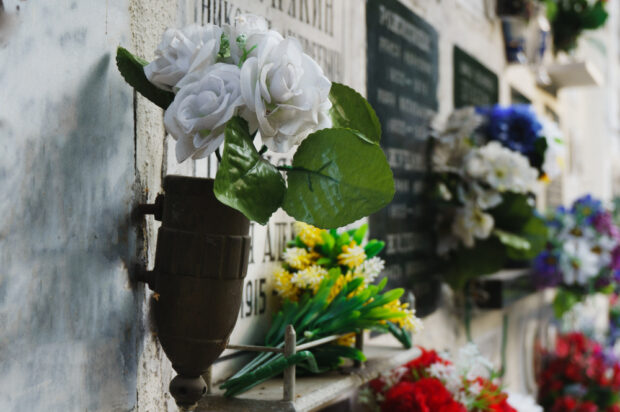
As families face the passing of a loved one, one of the most significant and emotional decisions is choosing how to honor their memory. The final resting place, and the memorial that marks it, holds lasting significance for generations to come. With cremation becoming increasingly popular across the United States, including in South Carolina, many families find themselves deciding between cremation memorials and traditional headstones. Understanding the options, meanings, and long-term considerations for each can help you make a choice that feels right for your family, your values, and your loved one’s legacy.
Understanding the Differences
Traditional headstones have long been a symbol of remembrance in cemeteries. Typically crafted from granite or marble, they are erected over burial plots to mark the place where the deceased rests. These monuments often include engraved names, birth and death dates, and sometimes epitaphs or religious symbols. Families in places like Walterboro, SC, have cherished this option for its enduring presence and historical familiarity.
Cremation memorials, on the other hand, cater to the unique needs of cremated remains. These can take many forms: cremation headstones, personalized cremation markers, columbarium niches, or even cremation benches. Unlike traditional burials, cremation offers flexibility in terms of location and design. Families in the Lowcountry region are increasingly choosing cremation monuments because they allow a variety of personalization options and can be placed in gardens, cemeteries, or family plots.
Both types of memorials serve the same emotional and cultural purpose: they honor a life lived and offer a tangible space for remembrance. However, their structure, cost, and customization potential differ significantly, and these differences may influence your decision.
Cost and Practical Considerations
Cost is a major factor for many families. Traditional burial, which includes embalming, casket purchase, plot acquisition, and headstone installation, is typically more expensive than cremation. The average cost for a traditional funeral in the United States can exceed $10,000. In contrast, cremation tends to be more budget-friendly, even when paired with high-quality cremation monuments.
In South Carolina, cremation services have become more accessible and accepted, making it a practical choice for families in towns like Walterboro. Choosing cremation allows flexibility not just in cost, but also in timing and planning. You can hold a memorial service at a later date, design a customized cremation headstone, and even select more affordable cemetery plots if desired.
Cremation memorials also offer practical advantages in terms of placement. They can be smaller in footprint, which is ideal for modern cemeteries where space is limited. Some cemeteries in the Lowcountry are now creating specialized gardens exclusively for cremation markers, allowing families to create serene, beautiful spaces for reflection.
Customization and Personalization
One of the greatest appeals of cremation memorials is the wide range of personalization options available. Traditional headstones do allow for custom engravings, symbols, and epitaphs, but cremation monuments go a step further. They can be designed to reflect hobbies, passions, or even the shape of meaningful objects. Personalized cremation markers can include photo etchings, bronze memorial plaques, or embedded urn compartments.
In places like Walterboro and throughout South Carolina, many local memorial providers now offer bronze memorial plaques that can be affixed to cremation benches or monuments. These plaques not only add elegance and durability but also provide room for creative tribute designs. Families can include family crests, hand-written messages, or even replicas of personal items.
Cremation monuments can also be designed in artistic or non-traditional forms. Some families choose natural stones, garden sculptures, or engraved boulders to represent their loved one’s memory in an organic setting. Others prefer sleek, polished granite pillars or pedestals with integrated urn holders. The flexibility of design empowers families to craft a truly unique tribute that matches their loved one’s personality and legacy.
Cultural and Emotional Impact
The emotional value of a memorial often transcends its physical form. For many families, a traditional headstone offers a sense of continuity and tradition. It may be part of a family plot, beside generations of ancestors, creating a powerful connection to heritage. In Southern communities like those in the Lowcountry, these ties to family land and local cemeteries remain important.
However, as cultural norms evolve, so too does the meaning of remembrance. Cremation memorials offer a new form of emotional comfort. The ability to keep loved ones close, whether through a garden monument or a memorial placed on private land, can provide solace to those who feel distanced by traditional cemetery arrangements. In South Carolina, where scenic landscapes and family-owned properties are cherished, cremation headstones placed in home gardens or family churchyards are becoming more common.
The emotional impact also depends on how the memorial is used. A cremation bench in a community park can invite frequent visits and reflections. A traditional headstone in a family plot can host annual gatherings or grave decoration days. Each format holds emotional space differently, and families should consider how they wish to interact with their loved one’s resting place over time.
Longevity and Maintenance
Durability is an essential consideration when choosing any type of memorial. Granite and marble headstones have proven to withstand the test of time, with some lasting centuries with minimal wear. Similarly, many cremation monuments are crafted from granite or bronze, ensuring long-term durability.
Bronze memorial plaques are particularly valued for their resistance to weathering and corrosion. These are often mounted on stone bases or cremation benches and require very little upkeep. Over time, bronze develops a patina that many families find aesthetically pleasing, representing the passage of time while retaining legibility.
In Lowcountry climates, where humidity and seasonal storms can affect materials, it’s important to choose monuments that can resist moisture and environmental wear. Cremation headstones designed for South Carolina weather are often sealed and treated to prevent moss and mildew buildup. Many local providers also offer cleaning and restoration services for both traditional headstones and cremation memorials, helping families preserve their loved ones’ legacies for generations.
Families should also consider long-term placement when choosing a memorial. Cemetery regulations, zoning laws, and family property plans all play a role. Some cemeteries in Walterboro may have restrictions on cremation monument sizes or styles. It’s essential to review these before making a final decision.
Conclusion
Choosing between cremation memorials and traditional headstones is a deeply personal decision, influenced by cultural traditions, financial considerations, emotional needs, and aesthetic preferences. In South Carolina, particularly in communities like Walterboro and throughout the Lowcountry, families now have more options than ever to commemorate their loved ones in meaningful ways.
Cremation offers flexibility, personalization, and often more affordable pathways to memorialization. Traditional headstones provide a sense of permanence, lineage, and established ritual. Neither is inherently better; the right choice is the one that honors your family’s values and helps you find peace.
Whether you are drawn to personalized cremation markers with bronze memorial plaques or the timeless elegance of a granite headstone, what matters most is creating a space that allows for remembrance, connection, and healing. The legacy you build through your chosen memorial becomes a lasting tribute, not just to a life well lived, but to the love that endures beyond it.